Non-Comedogenic Oils for Face: How to Choose the Right Oil for Your Skin
Non-comedogenic oils for face can be a confusing topic. You may have seen lists ranking oils from “non-comedogenic” to “highly comedogenic,” but choosing a facial oil is not quite that simple.
Non-comedogenic oils for the face are generally chosen because they are considered less likely to contribute to clogged pores, but the behaviour of an oil cannot be judged in isolation. The concentration, combination of ingredients, finished formulation and your own skin all matter. A well-formulated facial product can contain emollient oils and still feel lightweight, comfortable and suitable for skin that is prone to congestion.
At BIOYOND, we look at botanical oils differently: not simply as “good” or “bad” oils, but according to what each lipid contributes to the finished formula — from softness and suppleness to barrier support, antioxidant properties, spreadability and sensory feel.
What Does “Non-Comedogenic” Actually Mean?
A comedone is a clogged pore, such as a blackhead or whitehead. The term non-comedogenic is used for skincare products intended to be less likely to clog pores. Dermatologists commonly recommend non-comedogenic products for people with acne-prone skin.
The important distinction is that non-comedogenic does not mean that an ingredient can never cause congestion in every person. Older comedogenicity ratings were often based on testing individual raw materials under conditions that do not necessarily represent how those ingredients behave in a modern finished skincare formulation. Research has shown that a product containing ingredients traditionally considered comedogenic is not automatically comedogenic once those ingredients are incorporated into a complete formula.
This is why we are cautious about making sweeping claims about individual oils. If you have acne-prone or highly congestion-prone skin, the finished product and your personal response are more meaningful than a simple internet ranking.
Why Facial Oils Are Not All the Same
“Facial oil” describes a very broad category. Two oils can feel completely different on the skin and contribute very different properties to a formula.
Their fatty-acid composition, wax-ester content, oxidative stability and other naturally occurring components influence how they behave in skincare. Some oils provide a lighter, more fluid feel, while others are richer and more cushioning. Some are particularly valued for their antioxidant compounds, while others are selected primarily for their emollient and conditioning properties.
Plant oils can help reduce moisture loss and improve the feeling of softness and flexibility at the skin surface. Research reviewing topical plant oils has identified potential barrier-supportive, antioxidant and anti-inflammatory properties for several botanical oils, although the evidence varies considerably from one oil to another.
This is one reason a thoughtful skincare formula rarely depends on a single “hero oil.” Several complementary lipids can be combined to create a particular balance of nourishment, spreadability and skin feel.
The Oils We Look For in Facial Skincare
Jojoba Oil — Lightweight Lipid Conditioning
Jojoba is particularly interesting because it is technically a liquid wax ester rather than a conventional triglyceride oil. Its composition contributes to its excellent oxidative stability and distinctive silky skin feel.
In skincare, jojoba is valued for conditioning and softening the skin without necessarily creating the heavy sensation associated with richer oils. Research has also identified potential anti-inflammatory and barrier-supportive properties of jojoba, making it a versatile ingredient in facial formulations.
BIOYOND uses jojoba in many formulas, including Beauty Bio Balm, Sheen Skin Cream and other lipid-rich formulations where its sensory and conditioning characteristics complement the rest of the formula.
Squalane — Silky, Lightweight Emollience
Squalane is another useful example of why “oil” should not automatically mean “heavy.”
Squalane is a lightweight emollient known for its smooth, elegant slip. It can help soften the skin and contribute to a comfortable, silky finish without the heavier character of some traditional botanical oils.
It is especially useful when a formula needs lipid nourishment but still needs to feel refined and easy to spread.
This is one reason squalane appears in BIOYOND formulas such as TriActive Concentrate and Sheen Skin Cream.
For a deeper explanation of the difference between squalane and squalene, see our article Squalane vs. Squalene: What’s the Difference in Skincare?.
Sunflower Oil — A Useful Source of Linoleic-Rich Lipids
Sunflower seed oil is another versatile botanical lipid. Its composition includes essential fatty acids, particularly linoleic acid, and it can provide emollience while helping support the skin’s surface condition.
Research has found evidence for sunflower oil supporting barrier recovery in certain experimental settings, including human skin after barrier disruption.
Its value in a formulation is therefore not simply that it is a “natural oil.” Its fatty-acid profile and behaviour help determine why and how it is used.
Almond, Camellia and Other Botanical Oils
Sweet almond oil, camellia seed oil, marula oil, black currant seed oil and other botanical oils can each bring a different combination of fatty acids, antioxidants and sensory characteristics to skincare.
Sweet almond oil, for example, is a classic emollient used to soften and condition the skin. Camellia seed oil has a particularly elegant, lightweight character and has a long history of cosmetic use. More specialized oils such as black currant seed oil can add distinctive fatty-acid profiles to a formula.
The important point is that there is no single “best” facial oil. The right choice depends on what the finished product is designed to accomplish.
What About Mature or Dry Skin?

As skin becomes drier or feels less comfortable, the role of carefully selected lipids can become increasingly important. Oils and other emollients can help soften the skin, improve its feel and reduce moisture loss from the surface.
This does not mean mature skin needs the richest possible oil. In fact, an overly heavy formula may simply feel uncomfortable. The goal is to create the right balance between nourishment, softness, spreadability and comfort.
That is why BIOYOND uses different lipid systems across different products rather than creating one universal facial oil.
Sheen Skin Cream, for example, combines botanical oils, butters and squalane in a daily cream designed for moisture, softness and comfort.
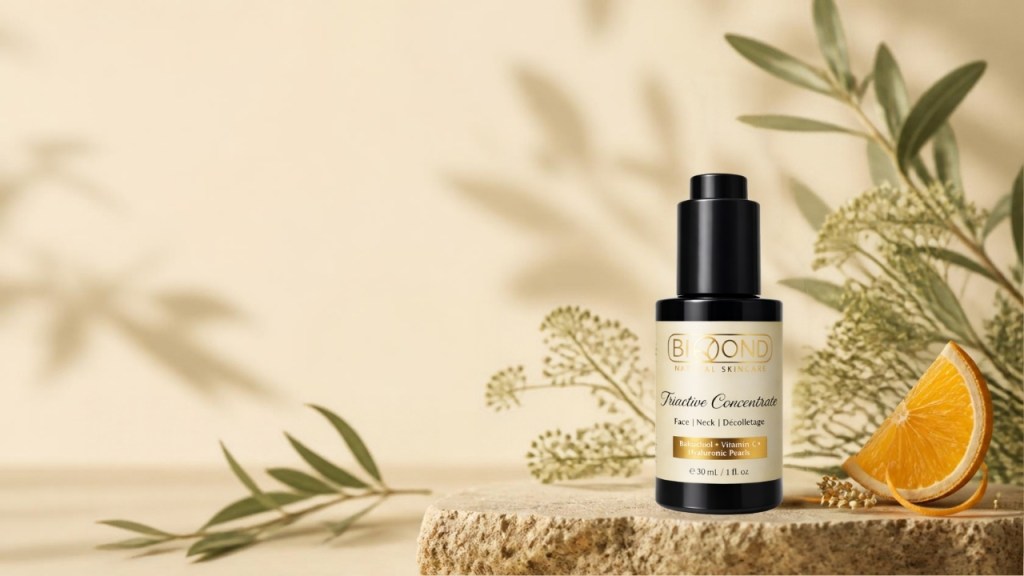
TriActive Concentrate takes a different approach, combining concentrated active ingredients with a carefully selected lipid base to provide antioxidant and age-supportive skincare.
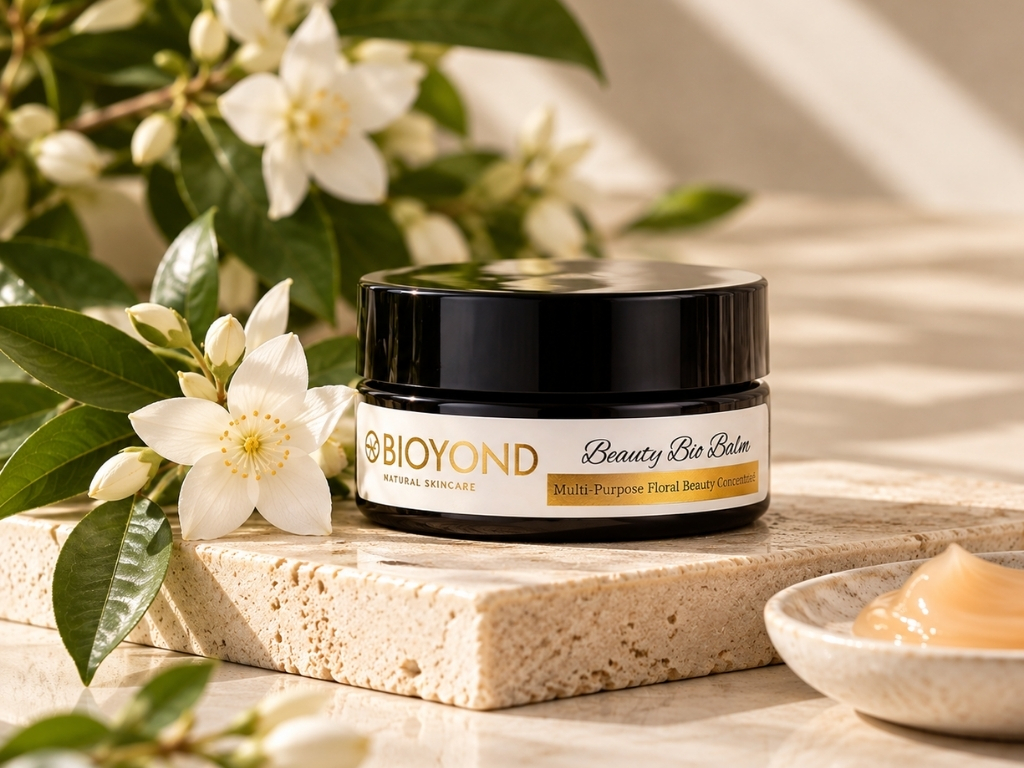
And Beauty Bio Balm is designed as a multifunctional, more concentrated balm where botanical oils and floral waxes create a richer, melting sensory experience.
Oil, Balm or Cream — Which Is Right for You?
The question is not simply whether your skin “likes oils.” It is also about what type of product your skin needs at that point in your routine.
A lightweight oil or concentrate can provide concentrated lipid care without the water phase of a cream. A balm can offer a more substantial protective and conditioning layer, particularly when skin feels dry or stressed. A cream combines water-based hydration with oils and other emollients, creating a different type of moisture experience.
A cleansing oil has yet another purpose. Plum Glow Oil, for example, is not a leave-on facial oil. It is an oil-to-milk cleanser designed to dissolve makeup, sunscreen, excess sebum and daily impurities before rinsing away with water.
Understanding the function of the finished product is much more useful than judging every oil by the same standard.
Can Oily or Acne-Prone Skin Use Facial Oils?
Yes but this is where product selection matters.
People with oily or acne-prone skin often assume that adding oil must automatically make their skin worse. If you are looking for non-comedogenic oils for face care, however, the finished formulation is more important than choosing an oil from a simple online ranking. However, dermatologists do not recommend simply drying out oily skin. The American Academy of Dermatology notes that appropriate moisturization can be important even for acne-prone skin, particularly when acne treatments cause dryness and irritation.
At the same time, some skincare products can contribute to breakouts in susceptible individuals. This is why people with acne-prone skin should pay attention to the finished product, use products described as non-comedogenic when appropriate, and observe how their own skin responds.
If you regularly experience persistent acne or significant congestion, skincare should not replace appropriate dermatological treatment.
Why Formulation Matters More Than a Comedogenicity Chart
This is perhaps the most important part of understanding facial oils.
Imagine taking one oil and applying a large amount directly to the skin. That is very different from using the same oil at a carefully selected percentage as one component of a finished serum, cream or balm.
The finished formula may contain several oils, waxes, butters, antioxidants and active ingredients, all balanced for a particular texture and application. The amount used, the combination of ingredients and the way the product is designed to sit on the skin can all influence the final experience.
For this reason, “oil X has a comedogenic rating of Y” is not enough information to tell you whether a finished skincare product will clog your pores.
Good formulation is about the whole system.
That principle is central to BIOYOND: botanical ingredients are selected not simply because they sound attractive on an ingredient list, but because each has a defined role within the finished formula.
How to Choose Non-Comedogenic Oils for Face Care
Instead of choosing an oil based on a single online chart, consider these questions:
Is your skin dry or easily dehydrated?
Look for formulas that combine emollient lipids with ingredients designed to support hydration and reduce moisture loss.
Does your skin feel oily but still uncomfortable or tight?
Avoid assuming that more aggressive cleansing is the answer. A balanced routine can be more useful than continually stripping the skin.
Is your skin mature and becoming drier?
Look for a combination of lightweight and richer lipids, antioxidants and targeted actives rather than relying on one heavy oil.
Is your skin acne-prone or easily congested?
Choose carefully formulated products, preferably those labelled non-comedogenic where appropriate, and introduce one new product at a time so you can assess your skin’s response.
Do you simply want more softness and radiance?
A well-designed oil, balm or cream can be selected according to the finish and level of nourishment you prefer.
The BIOYOND Approach to Botanical Oils
At BIOYOND, we don’t believe that skincare needs a long list of fashionable oils to be effective. We believe each lipid should have a reason for being there.
Jojoba can contribute elegant conditioning. Squalane can provide silky emollience. Sunflower and other botanical oils can contribute fatty acids and skin-conditioning properties. More distinctive oils can add antioxidant-rich botanical compounds and a particular sensory character.
The finished formula is what matters.
Our Beauty Bio Balm brings together botanical oils with floral waxes, CoQ10 and bisabolol to create a multifunctional balm with a soft, melting feel. Our TriActive Concentrate uses a lipid base to carry a concentrated active system of bakuchiol, oil-soluble vitamin C and bisabolol. Our Plum Glow Oil uses a completely different oil system because its purpose is cleansing rather than leave-on nourishment.
This is the difference between simply putting oils into a jar and formulating with oils intentionally.
The Bottom Line
Choosing non-comedogenic oils for face care is not about finding the lowest number on an internet comedogenicity chart. It is about understanding the whole formula, your skin and the purpose of the product.
Botanical oils can be valuable components of modern skincare, providing emollience, softness, fatty acids and antioxidant compounds while helping create a comfortable skin surface. But their value comes from thoughtful selection and formulation, not simply from being natural.
Natural skincare works best when nature is combined with formulation knowledge.
Frequently Asked Questions
Are non-comedogenic oils safe for acne-prone skin?
Non-comedogenic products are designed to be less likely to clog pores, but no ingredient or product can guarantee that every person’s skin will respond identically. If you have acne-prone skin, choose appropriately formulated products and introduce new products gradually.
Is jojoba oil good for the face?
Jojoba is widely used in facial skincare because of its distinctive wax-ester composition, oxidative stability and conditioning properties. It can provide a lightweight, silky skin feel and is useful in a variety of formulations.
Does facial oil clog pores?
A facial oil can contribute to congestion in some individuals, but this cannot reliably be predicted simply by looking at an individual oil’s reputation or a comedogenicity chart. The finished formulation, concentration and individual skin response all matter.
Can mature skin benefit from facial oils?
Yes. Carefully selected botanical oils and other emollients can help soften dry-feeling skin and reduce moisture loss from the skin surface. Mature skin does not necessarily need the heaviest oil; the balance of the entire formula is more important.