
Squalane vs. Squalene: What’s the Difference for Your Skin?
Squalane vs. squalene — the names are almost identical, but these two lipids behave quite differently in skincare. Squalene occurs naturally in human sebum and helps form part of the skin’s surface lipids, while squalane is its more stable, hydrogenated form widely used in modern skincare formulations.
For skin, the difference matters. Squalane offers lightweight emollience and helps reduce moisture loss without the instability associated with squalene. For formulators, it also provides an elegant way to soften and condition the skin without relying entirely on heavier oils and butters.
So why is squalane found in everything from facial serums to rich waterless moisturizers and is it actually better than squalene? Let’s look beyond the similar names and understand what each one does.
What Is Squalene?
Squalane is the hydrogenated form of squalene. Hydrogenation converts the more oxidation-prone squalene into a highly stable emollient that is much easier to incorporate into modern skincare formulations.
Squalane and squalene have also been evaluated for cosmetic safety by the Cosmetic Ingredient Review Expert Panel.
Despite the small difference in spelling, squalane has a noticeably different formulation profile. It is lightweight, silky and highly spreadable, helping soften the skin and reduce moisture loss without the heavier feel associated with some botanical oils and butters.
Plant-derived squalane can be produced from sources such as olives or sugarcane. Its combination of stability, elegant skin feel and compatibility with other lipids is one reason it has become such a useful ingredient in facial oils, serums, creams, balms and waterless skincare.
Squalane vs Squalene: What’s the Difference?
Although they originate from the same type of lipid, the key difference in squalane vs squalene is stability. Squalene is naturally unsaturated and therefore more vulnerable to oxidation. Squalane has been hydrogenated, making it significantly more stable and better suited to the shelf-life and sensory requirements of modern skincare.
For the skin, both are emollient lipids, but squalane offers several practical advantages in a finished cosmetic formula. It spreads easily, leaves a smooth, conditioned feel and can help limit moisture loss by supporting the skin’s lipid layer without necessarily creating a heavy or greasy finish.
For a formulator, this stability is particularly valuable. Squalane can be combined with richer botanical oils and butters to improve spreadability and skin feel, or used as part of a lighter oil-serum base when an elegant, less oily finish is desired.
Why BIOYOND Chooses Olive-Derived Squalane
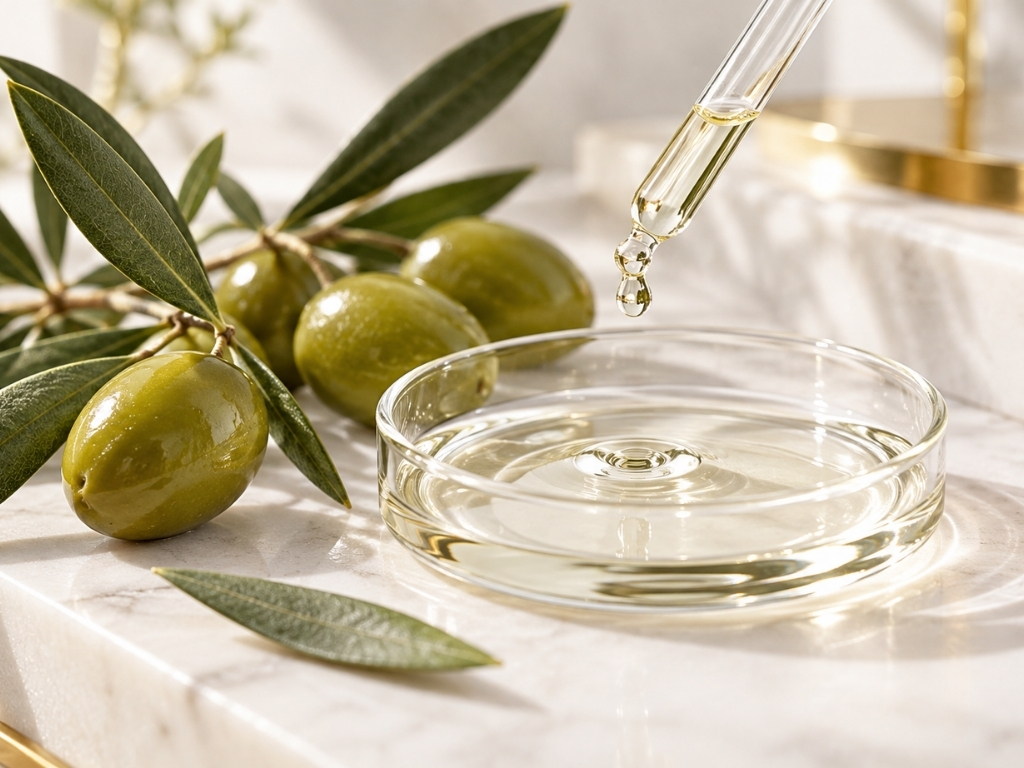
At BIOYOND, ingredient selection is not simply about adding more actives. Each ingredient needs a clear purpose within the formula. We use olive-derived squalane for its skin compatibility, excellent oxidative stability and refined, silky skin feel.
Its lightweight emollience also makes it remarkably versatile. In richer formulations, it helps balance botanical oils and butters for a smoother, more elegant finish. In lighter oil concentrates, it provides a stable, skin-compatible base without unnecessary heaviness.
This versatility allows us to use olive-derived squalane differently depending on what each formula is designed to achieve—from a concentrated waterless cream-butter for dry skin to a lightweight facial oil concentrate.
What Does Squalane Do for Your Skin?
Squalane works primarily as an emollient. Rather than adding water to the skin, it helps soften and smooth the surface while supporting the lipid layer that helps limit moisture loss. This distinction is important: squalane supports moisture retention, but it is not a humectant and should not be described as providing hydration on its own.
Helps Reduce Moisture Loss
By reinforcing the skin’s surface with lightweight lipids, squalane can help reduce transepidermal water loss and leave dry or moisture-depleted skin feeling softer and more comfortable.
Softens Without Excessive Heaviness
One of squalane’s most useful qualities is its sensory profile. It spreads easily and provides slip and softness without necessarily leaving the dense, greasy finish associated with some richer oils and butters.
Complements Different Skin Types and Routines
Because of its lightweight character, squalane can work in very different formulations—from facial oil concentrates to creams and richer waterless products. For dry or mature skin, it can complement more nourishing lipids; in lighter formulations, it can provide emollience without overwhelming the skin.
Supports a More Comfortable Skin Barrier
Squalane can complement the skin’s existing lipids and help maintain a soft, conditioned surface. This makes it particularly useful when skin feels dry, tight or exposed to environmental conditions such as cold temperatures and low humidity.
Who Can Benefit From Squalane?
Once you understand the difference between squalane vs squalene, the next question is how squalane fits into a skincare routine. Squalane can be useful across many skin types, but it is especially valuable when the skin needs additional lipid support without an excessively heavy feel.
Dry or mature skin may benefit from squalane as part of a formula designed to soften the skin and help reduce moisture loss. This can be particularly helpful during colder months, when low humidity and indoor heating often leave skin feeling tighter and less comfortable.
Normal and combination skin can also benefit from its lightweight emollience, particularly in well-balanced formulations that provide softness without relying exclusively on rich oils or butters.
For sensitive or easily reactive skin, the complete formulation matters more than any single ingredient. Squalane itself is generally valued for its simple, stable profile, but a product should always be considered as a whole rather than assuming that one ingredient automatically makes it suitable for sensitive skin.
Is Squalane Suitable for Oily or Acne-Prone Skin?
Squalane is often described online as “non-comedogenic,” but that claim can be oversimplified. Whether a skincare product works well for oily or blemish-prone skin depends on the entire formula, the amount used and the individual skin.
Its lightweight feel can make squalane a useful emollient in products designed to avoid excessive richness, but it should not be presented as an acne treatment or as universally non-comedogenic.
How to Use Squalane in Your Skincare Routine
How you use squalane depends on the type of product containing it. Because squalane is an oil-soluble emollient rather than a water-binding humectant, it generally works best as part of the lipid or moisture-supporting stage of a skincare routine.
If your skin needs both hydration and lipid support, apply water-based products such as a hydrating serum or toner first. Follow with a moisturizer, facial oil, balm or cream-butter containing squalane to help soften the skin and reduce moisture loss.
When Skin Needs More Lipid Support
Dryness, cold weather, low humidity and seasonal changes can all affect how much richness your skin needs. A lightweight squalane-containing facial product may be sufficient at some times, while a richer waterless formula can be useful when skin feels particularly dry or depleted.
The goal is not to layer as many products as possible. It is to give the skin water when it needs hydration and appropriate lipids when it needs greater moisture retention and comfort.
How BIOYOND Uses Olive-Derived Squalane
At BIOYOND, we use olive-derived squalane not as a trend ingredient, but because of the specific role it can play within a well-balanced formula. Its stability, elegant slip and lightweight emollience allow us to use it differently depending on the texture and purpose of the product.
In TriActive Concentrate
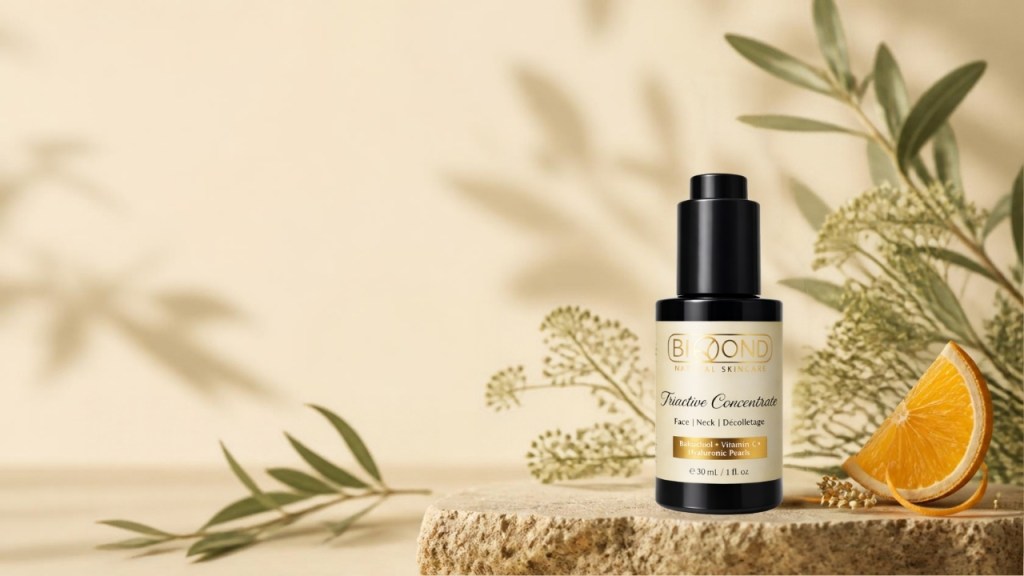
In TriActive Concentrate, squalane forms part of the lightweight lipid base alongside carefully selected botanical oils. It provides an elegant carrier for oil-soluble actives including bakuchiol, THD ascorbate (an oil-soluble form of vitamin C) and bisabolol, while helping the concentrate spread smoothly without an unnecessarily heavy finish.
In Elastan Bio Cream-Butter
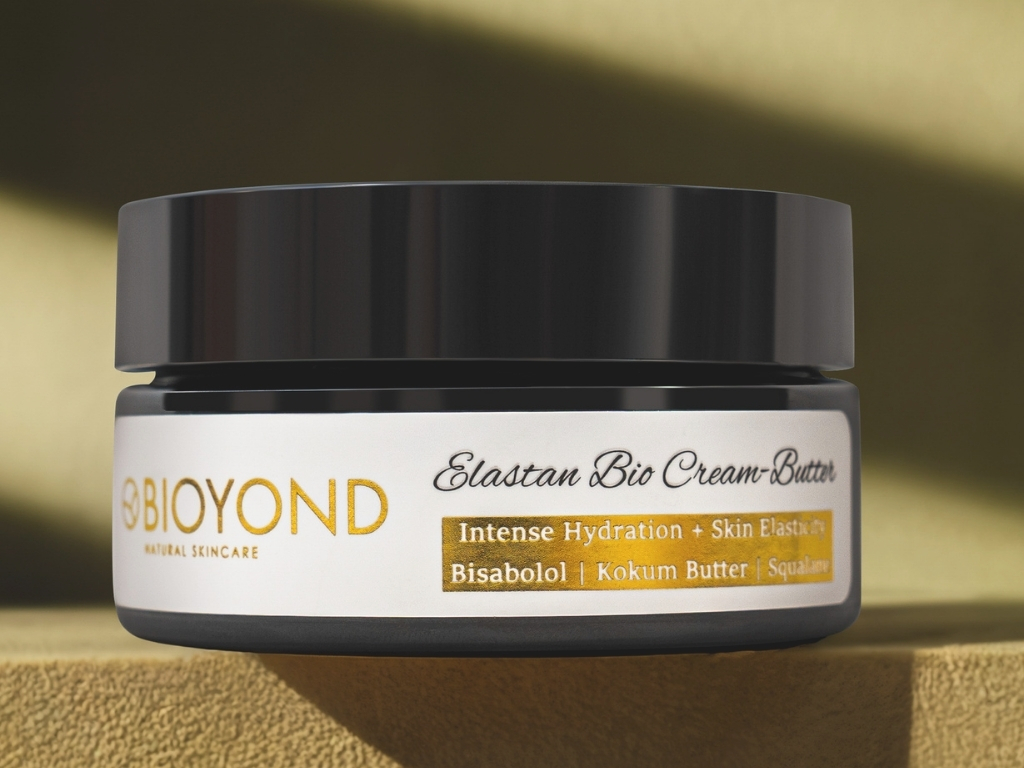
In Elastan Bio Cream-Butter, squalane serves a different purpose. This concentrated waterless face and body formula contains richer botanical butters, including shea, mango and kokum. Squalane helps balance that richness, contributing softness, spreadability and a more refined skin feel while maintaining the protective character expected from a cream-butter.
This is also a good demonstration of why looking at a single “hero ingredient” rarely tells the whole story. Squalane vs squalene may explain why a formulator chooses one lipid over another, but the performance and sensory experience of the finished product ultimately depend on how all of its ingredients work together.
Squalane vs Squalene: Which Is Better for Skincare?
When comparing squalane vs squalene, neither ingredient is inherently “better” in every context. Squalene is a naturally occurring component of our skin’s surface lipids, while squalane offers the oxidative stability and elegant sensory qualities that make it particularly practical for modern cosmetic formulation.
In the squalane vs squalene comparison, squalane is often the more practical choice for modern skincare formulations because of its stability and elegant skin feel. It can provide lightweight emollience, soften and condition the skin, and help reduce moisture loss as part of a thoughtfully designed formula.
At BIOYOND, that is the principle behind ingredient selection: understanding what the skin needs, choosing ingredients with a clear purpose, and creating formulas where nature and formulation science work together without unnecessary complexity.