How Long Does Skincare Take to Work? What to Really Expect
How long does skincare take to work? There isn’t one universal answer. Some skincare benefits can be noticed almost immediately, while others require several weeks or months of consistent use before visible changes become meaningful.
A moisturizer, for example, can make skin feel softer and look smoother within days. Hydrating ingredients can temporarily improve the appearance of dehydration lines and give the skin a fresher, more supple appearance. But changes involving uneven tone, texture, fine lines or the visible effects of skin aging generally take longer.
Understanding the difference between immediate cosmetic effects and gradual skin improvements can help you choose products more realistically and avoid abandoning a good formula simply because you didn’t see dramatic results after a few days.
How Long Does Skincare Take to Work?
Understanding how long does skincare take to work helps set realistic expectations and makes it easier to evaluate whether a routine is actually working. The answer depends on what the product is designed to do. A skincare product may be working on several different levels:
- improving the skin’s surface hydration
- supporting the skin barrier
- reducing the appearance of dryness
- improving the look of uneven tone
- supporting smoother-looking texture
- providing antioxidant protection
- addressing visible signs of aging
These processes do not happen on the same timeline.
The American Academy of Dermatology recommends giving most skincare products enough time to work rather than judging them after only a few applications. According to the AAD, some products may need at least six weeks, while others can take up to three months.
So instead of asking whether a product works fast enough, it is more useful to ask:
What result should I expect from this product, and what is a realistic timeline for that result?
What Can Skincare Do Immediately?
Some skincare results are visible or noticeable after the very first application.
That doesn’t mean the product has permanently changed the structure of your skin. It means the formula is producing an immediate effect at the skin’s surface.
Hydration and Softness
Humectants such as hyaluronic acid and glycerin help attract and hold water in the outer layers of the skin.
When skin is better hydrated, it can appear:
- smoother
- fresher
- softer
- more supple
- temporarily more plump
Dehydration lines may also look less noticeable. This is one reason a good hydrating product can produce a visible difference relatively quickly.
However, hydration is not the same as permanently reversing skin aging. For a deeper explanation of how water and lipids work together, see our article on Hydration vs. Moisture in Skincare.
Surface Smoothness
A moisturizer or emollient-rich formula can immediately improve the feel and appearance of rough or dry skin. The skin may feel softer because the formula is smoothing the surface and helping reduce excessive water loss.
Again, that is a real benefit — it simply isn’t the same thing as rebuilding collagen or permanently removing wrinkles.
How Long Does Skincare Take to Improve Hydration?
Hydration is usually one of the faster skincare changes to notice. A well-formulated hydrating serum can make skin feel more comfortable after the first few applications, particularly when dehydration is contributing to tightness or dullness. But maintaining that improvement requires continued use.
Why Hydration Needs Ongoing Support
Your skin is constantly exposed to environmental factors that can increase water loss, including dry air, weather changes and cleansing. This is why skincare isn’t like taking a one-time treatment.
A hydrating product can support the skin today, but continuing to use appropriate hydration and moisturizer helps maintain that support.
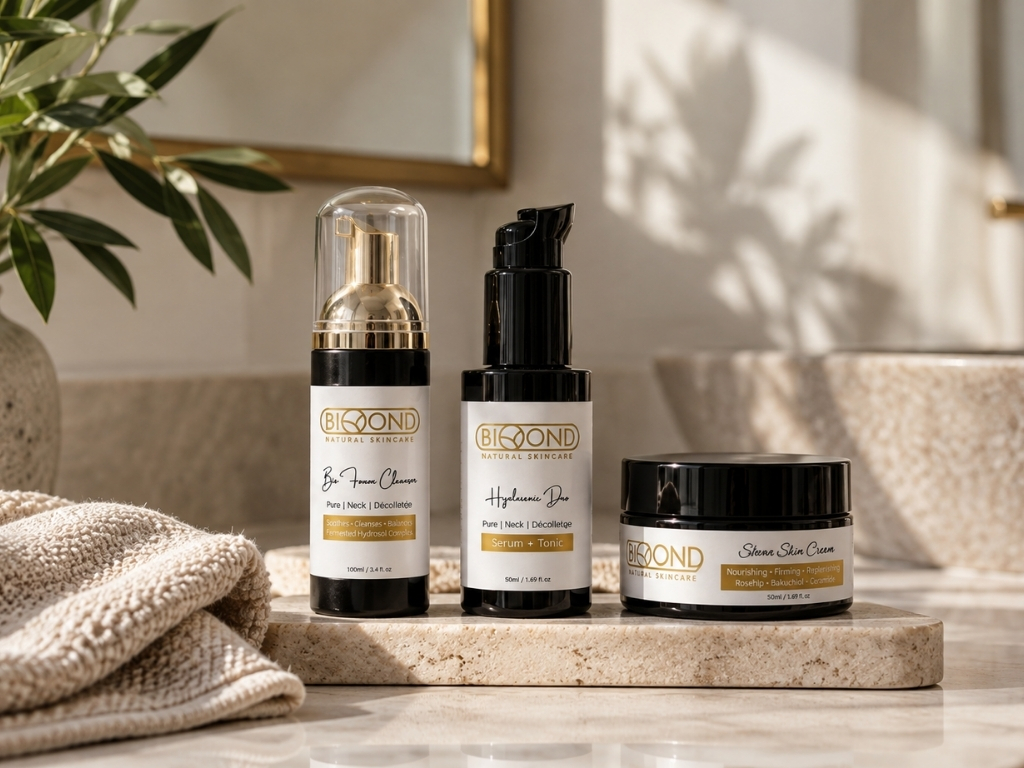
BIOYOND’s Hyaluronic Duo combines two molecular weights of hyaluronic acid with niacinamide, Tremella mushroom extract and panthenol to support hydration and a comfortable skin barrier.
How Long Does Skincare Take to Improve Skin Texture and Tone?
This is where patience becomes more important. Changes in texture, dullness and uneven-looking tone generally aren’t created or corrected overnight.
The skin is a living tissue, and processes such as epidermal renewal and changes associated with photoaging occur gradually.
Why Texture Takes Time
As skin ages, structural changes include reduced collagen and changes in the epidermis and dermis. These processes help explain why visible improvements in mature skin generally require more time.
Ingredients designed to support smoother-looking skin need repeated use. For example, topical retinoids have substantial evidence for improving the appearance of wrinkles, texture and other signs of photoaging, but these effects develop over time rather than after a few applications. This is also why irritation isn’t a shortcut to better results.
Using an active more frequently than recommended can damage the skin barrier and make the skin look worse rather than better. The AAD recommends following product directions and avoiding excessive use of active ingredients.
How Long Does Skincare Take to Work on Fine Lines and Signs of Aging?

Fine lines are more complicated because they can have several causes. Some are emphasized by dehydration and can therefore appear softer relatively quickly after hydration.
Others are associated with longer-term structural changes involving collagen, elastin and the effects of cumulative sun exposure. Those changes cannot realistically be reversed by a skincare product overnight.
Research on topical retinoids, for example, shows that they can influence processes involved in photoaged skin, including collagen and epidermal changes, but clinical improvement develops over longer periods of use.
Immediate Smoothing vs. Long-Term Skin Support
This distinction is worth remembering:
Immediate:
Skin may look smoother because it is hydrated and conditioned.
Over several weeks:
Texture, hydration and overall appearance may become more consistently improved.
Over several months:
Some targeted actives may produce more noticeable changes in the appearance of fine lines, tone and photoaging.
There is no responsible reason to promise that every product will produce the same result within the same timeframe.
Different Skincare Ingredients Have Different Timelines
If you are wondering how long does skincare take to work, the answer depends on the product, the ingredients and the change you are looking for. One of the biggest mistakes in skincare is expecting every ingredient to work in exactly the same way.
Hyaluronic Acid
Hyaluronic acid primarily supports hydration, so changes in skin feel and surface appearance can be relatively quick.
However, continued use is important for maintaining those benefits.
Niacinamide
Niacinamide has multiple roles in skincare, including supporting the skin barrier and improving the appearance of uneven tone. Results are generally better evaluated over several weeks rather than after a single application.
Vitamin C
Vitamin C is used in skincare primarily for antioxidant support and to help improve the appearance of brightness and uneven tone.
The form of vitamin C and the formulation itself matter. Stability, concentration and delivery system can influence performance.
BIOYOND’s TriActive Concentrate combines 4% THD Ascorbate — an oil-soluble form of vitamin C — with 1% bakuchiol and bisabolol.
Bakuchiol
Bakuchiol is a plant-derived active used in formulas targeting the appearance of fine lines, firmness and uneven texture.
As with most targeted skincare, the goal is not an overnight transformation but gradual improvement with appropriate, consistent use.
Retinoids
Retinoids have some of the strongest evidence among topical anti-aging ingredients, particularly for photoaging. However, they can also cause dryness and irritation, especially when introduced too quickly. This is another example of why stronger does not automatically mean better.
Why You Shouldn’t Change Your Entire Skincare Routine Every Two Weeks
If you introduce three new serums, a new exfoliant and a new moisturizer at the same time, then change everything again two weeks later, you have no reliable way to know what is helping your skin.
You may also create unnecessary irritation.
The American Academy of Dermatology recommends focusing on your primary concern and introducing products thoughtfully rather than using multiple anti-aging products at once. This is where consistency becomes important.
We’ve discussed this in more detail in our article, Consistent Skincare Routine: Why It Matters. But the important distinction is that article explains why consistency matters. This article explains what timeline you should realistically expect from different types of skincare. They complement each other rather than repeating one another.
How Do You Know If Your Skincare Is Working?
Don’t judge your routine only by whether you suddenly look different in the mirror. Look for smaller, measurable changes.
After Days
You may notice:
- less tightness
- softer skin
- improved comfort
- more surface hydration
- a fresher appearance
After Several Weeks
You may begin to notice:
- more consistent hydration
- smoother texture
- improved-looking radiance
- more balanced-looking skin
- gradual improvement in the appearance of uneven tone
After Several Months
Depending on the products and the concern being addressed, you may see more meaningful changes in:
- fine lines
- texture
- firmness
- uneven tone
- overall skin resilience
These timelines are general rather than guarantees. Individual skin, formulation quality, ingredient concentration, tolerance and daily habits all matter.
What If You Don’t See Results?
Sometimes the answer isn’t simply “wait longer.” Ask a few questions.
Are You Using the Product Consistently?
If a product is intended for regular use but is applied only occasionally, it may be difficult to judge its effectiveness.
Are You Using It Correctly?
More product does not necessarily mean better results.
The wrong amount or frequency can cause irritation without increasing the desired benefit.
Are You Expecting the Right Result?
A hydrating serum isn’t designed to produce the same result as a retinoid. A moisturizer isn’t designed to erase pigmentation. A facial oil isn’t a substitute for sunscreen. The first step is understanding what each product is actually designed to do.
Is Your Routine Irritating Your Skin?
If a product repeatedly causes burning or significant irritation, don’t assume that discomfort means it is “working.”
The AAD advises stopping products that sting or burn unless they are being used under appropriate medical supervision.
Sun Protection Changes the Skincare Equation
There is one part of a skincare routine where waiting for visible results isn’t the goal: sun protection.
UV exposure contributes significantly to premature skin aging and collagen damage. Current research continues to identify ultraviolet radiation as one of the major external drivers of skin aging. PubMed
Daily broad-spectrum sunscreen helps protect the progress your skincare routine is trying to support.
In other words, skincare isn’t only about adding active ingredients.
Sometimes the most effective strategy is preventing additional damage.
What Does a Realistic Skincare Timeline Look Like?
| Skin goal | What you may notice | General timeframe |
|---|---|---|
| Hydration | Softer, more comfortable skin | Days |
| Surface dryness | Improved softness and smoothness | Days to weeks |
| Barrier support | Less tightness and improved comfort | Several weeks |
| Radiance | Fresher, more even-looking appearance | Several weeks |
| Uneven-looking tone | Gradual improvement | Several weeks to months |
| Fine lines | Smoother-looking appearance | Several weeks to months |
| Firmness / photoaging | Gradual visible improvement | Months |
These are general expectations, not promises. The formulation, active ingredient, concentration, skin condition and consistency all influence the result.
BIOYOND’s Approach to Skincare Results
At BIOYOND, we don’t believe good skincare needs to promise an overnight transformation. Our approach is to give each formula a clear purpose and combine thoughtfully selected botanical ingredients with modern formulation science. Sometimes that means supporting hydration, sometimes it means nourishing the skin barrier, sometimes it means introducing targeted actives such as vitamin C or bakuchiol. And sometimes the best decision is simply not adding another product.
For example, Hyaluronic Duo is focused on water-based hydration, while TriActive Concentrate provides a more targeted oil-based active treatment. They have different purposes and therefore should not be judged by exactly the same timeline.
The Bottom Line: Give Good Skincare Enough Time
So, how long does skincare take to work? The honest answer is:
Hydration and surface comfort can improve within days. Many skincare benefits need several weeks. More gradual changes involving texture, tone and visible signs of aging can take several months.
The key is to understand what your product is designed to do, use it appropriately, and give it enough time to show what it can realistically achieve.
Your skin doesn’t need a miracle overnight. It needs the right care, used consistently enough to make a difference.