Skincare for Mature Skin: What Your Skin Really Needs as It Changes
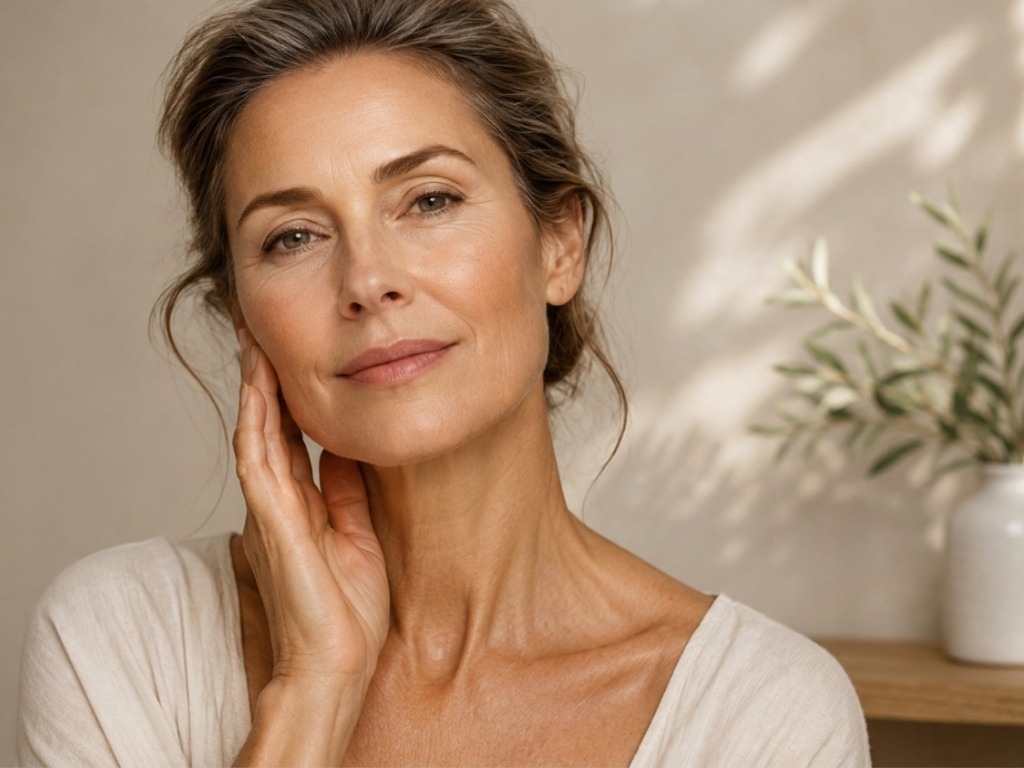
Mature skin does not simply need “stronger” skincare. As skin changes with age, it may produce less of its natural oils, retain moisture less efficiently and become more vulnerable to dryness, sensitivity and visible changes in texture and elasticity.
That is why skincare for mature skin is often most effective when it focuses on supporting the skin rather than overwhelming it with increasingly complicated routines.
Daily hydration, lipid support, antioxidants, thoughtful active ingredients and consistent sun protection can all play a role. Just as importantly, mature skin may benefit from avoiding unnecessary irritation and using products that work well together.
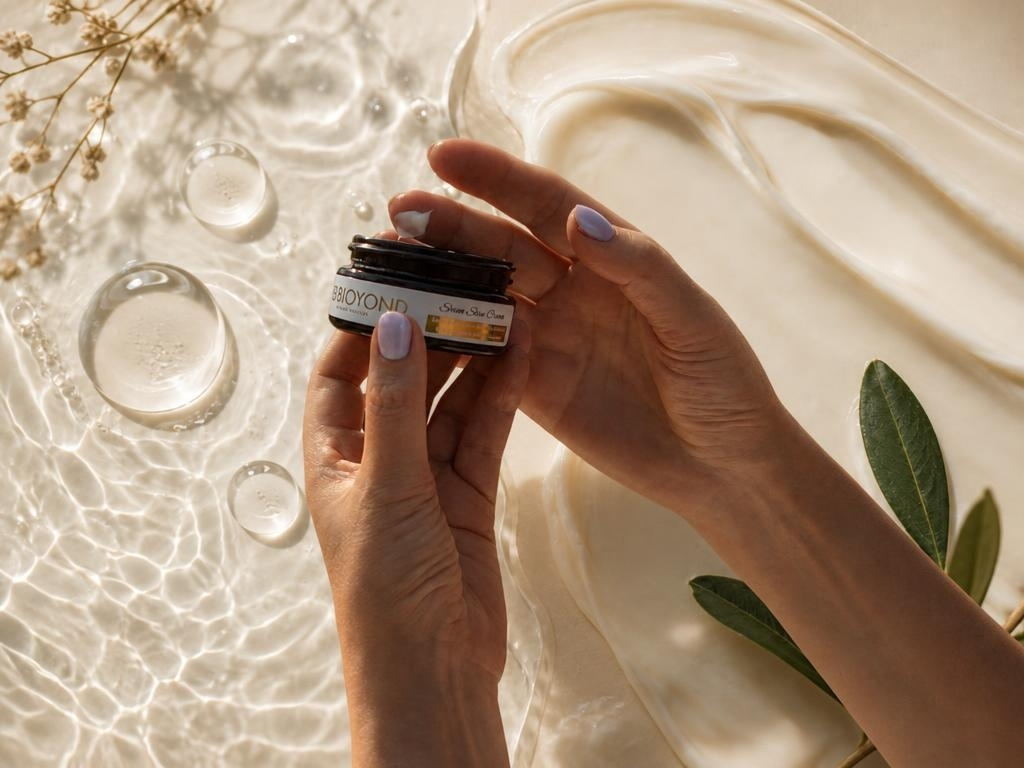
At BIOYOND, this idea shapes how we approach mature-skin care: fewer purposeful products, thoughtfully formulated to support hydration, comfort and the appearance of healthy, resilient skin.
What Actually Changes in Mature Skin?
As skin matures, several biological processes change at the same time. Cell renewal gradually slows, the skin can produce less sebum, and changes in the extracellular matrix contribute to a gradual loss of firmness and elasticity. The skin barrier may also become less efficient at retaining water, which is one reason dryness and sensitivity can become more noticeable with age.
Levels and organization of structural components such as collagen, elastin and hyaluronic acid also change over time. Environmental exposure — particularly cumulative ultraviolet radiation adds another layer, contributing to uneven pigmentation, rougher texture and visible lines.
For women around and after menopause, hormonal changes can further influence skin thickness, hydration, lipid production and collagen. This helps explain why a routine that worked well for years may suddenly no longer feel sufficient.
But mature skin does not simply need a heavier cream. It needs a more considered combination of hydration, barrier-supportive lipids, antioxidants, targeted active ingredients and daily photoprotection.
Barrier Support and Advanced Actives Are Not Opposites
Modern skincare for mature skin does not have to choose between a gentle formula and an effective one. A sophisticated formulation can support the skin barrier while also delivering carefully selected active ingredients.
Ceramides and other skin-compatible lipids can support barrier function; humectants help maintain hydration; antioxidants help address oxidative stress; and ingredients such as peptides, niacinamide, vitamin C and retinoids can be selected for more targeted cosmetic goals.
The important question is not how many actives a formula contains, but whether they are present in an appropriate form, concentration and delivery system, and whether the complete formulation remains suitable for regular use.
This is also where BIOYOND can eventually differentiate itself. Natural skincare does not have to mean technologically simple skincare. Botanical oils, extracts and naturally derived ingredients can coexist with modern cosmetic science when each ingredient has a clear formulation purpose.
What Skincare for Mature Skin Really Needs
Effective skincare for mature skin should address several needs at once rather than focusing on a single “anti-aging” ingredient. Hydration, barrier support, antioxidant protection, targeted actives and daily UV protection all have different roles.
The goal is not to use every available active. It is to create a routine in which the products complement one another and the skin can tolerate consistent use.
1. Hydration That Goes Beyond a Heavy Cream
Mature skin can feel dry and dehydrated at the same time, but these are not identical concerns. Dehydrated skin lacks water, while dryness is associated with insufficient lipids and reduced ability to limit water loss.
Humectants such as hyaluronic acid, glycerin and other components that support the skin’s natural moisturizing environment help attract and retain water in the upper layers of the skin. A well-designed moisturizer can then provide emollients and lipids that help maintain softness and reduce moisture loss.
This is why layering a lightweight hydrating product underneath an appropriate moisturizer can sometimes work better than simply reaching for the richest cream available.
2. Barrier-Supportive Lipids
The skin barrier depends on an organized mixture of lipids, including ceramides, cholesterol and fatty acids. As skin becomes drier or more vulnerable with age, supporting this lipid environment can become increasingly relevant.
Modern barrier-focused formulations may combine ceramides with complementary lipids, while botanical oils, squalane and other emollients can contribute softness, comfort and reduced moisture loss.
This is an area where formulation design matters: a product should not simply contain a fashionable ceramide or oil — the complete lipid system and overall formula determine how it performs on the skin.
3. Antioxidants for Daily Environmental Support
Skin is continuously exposed to oxidative stress from UV radiation and other environmental factors. Antioxidants can complement daily sunscreen by helping support the skin against oxidative damage.
Vitamin C is one of the best-known examples, but the form used matters. Different vitamin C derivatives vary in stability, solubility and formulation requirements. Vitamin E and other antioxidant compounds can also form part of a well-designed antioxidant system.
Antioxidants are not substitutes for sunscreen. Think of them as part of a broader daytime strategy that includes daily photoprotection.
4. Peptides and Targeted Cosmetic Actives
Peptides are an exciting category in mature-skin formulation, but “contains peptides” alone tells us very little. Different peptides have different structures and intended cosmetic functions, and the supporting evidence varies considerably between individual ingredients.
For this reason, a well-formulated peptide product should be built around specific peptides chosen for a defined purpose, used according to supplier data and available evidence, rather than simply adding multiple peptides to create an impressive ingredient list.
Other targeted actives — including niacinamide and carefully selected botanical or biotechnology-derived ingredients — can also be valuable depending on the goal of the formula.
5. Retinoids and Thoughtful Alternatives
Retinoids remain among the most established topical ingredient categories for addressing visible signs of skin aging. They can support improvements in the appearance of fine lines, texture and uneven pigmentation, but they can also cause dryness and irritation, particularly when introduced too aggressively.
Retinoid alternatives and complementary ingredients are therefore an interesting area of modern formulation. Bakuchiol, for example, has research supporting its use for visible signs of skin aging, although it is chemically different from retinol and should not simply be described as “natural retinol.”
The best choice depends on the formulation, the skin and the level of tolerance, not on whether an ingredient is currently fashionable.
6. Sunscreen — The Step No Active Can Replace
A sophisticated skincare for mature skin can contain excellent peptides, antioxidants and moisturizers, but none of them replaces daily sun protection.
Cumulative UV exposure contributes significantly to visible changes associated with photoaging, including pigmentation, lines and changes in skin texture. A broad-spectrum sunscreen should therefore be part of the morning routine for exposed skin, including the face, neck, décolletage and hands.
Does Mature Skin Need More Products or Better Formulations?
A longer routine is not necessarily a better routine. Mature skin can benefit from sophisticated active ingredients, but adding multiple serums, acids and treatments without considering how they interact can increase complexity and, for some skin, irritation.
A more purposeful approach begins with the essentials: gentle cleansing, adequate hydration, barrier support, targeted treatment and daily sun protection. From there, advanced actives can be selected according to the skin’s actual needs rather than simply added because they are trending.
This is where formulation quality becomes especially important. A mature-skin product should be considered as a complete system, not just a list of attractive ingredients on the label. The form and concentration of an active, its compatibility with the rest of the formula, the delivery system, pH where relevant, stability and the sensory experience all influence whether a product works well as part of a daily routine.
Natural Skincare Can Still Be Advanced Skincare
“Natural” and “science-based” do not have to sit on opposite sides of skincare.
Plant oils, botanical extracts and naturally derived ingredients can provide valuable lipids, antioxidants and skin-conditioning compounds. At the same time, modern cosmetic science gives formulators access to sophisticated ingredients such as stable vitamin C derivatives, peptides, ceramide systems, advanced humectants and other targeted actives.
The opportunity is not to choose nature instead of science, but to formulate intelligently with both.
This philosophy is central to the direction of BIOYOND Natural Skincare: BIO, respecting skin biology and thoughtfully selected ingredients, and beyond, looking beyond simplistic definitions of natural beauty toward purposeful formulation, modern cosmetic science and products designed around what the skin actually needs.
Skincare for mature skin can mean fewer products, but more intention behind every formula.
A Simple Morning and Evening Skincare Routine for Mature Skin
Morning Routine
1. Cleanse gently
Start with a mild cleanser that removes overnight oil and impurities without leaving the skin feeling stripped. BIOYOND Bio Foam Cleanser provides a gentle cleansing step that can be used on the face, neck and décolletage.
2. Replenish hydration
Follow with a hydrating formula while the skin is freshly cleansed. Hyaluronic Duo Serum + Tonic combines two forms of hyaluronic acid in a lightweight format designed to provide hydration without adding another heavy layer.
3. Add targeted antioxidant support
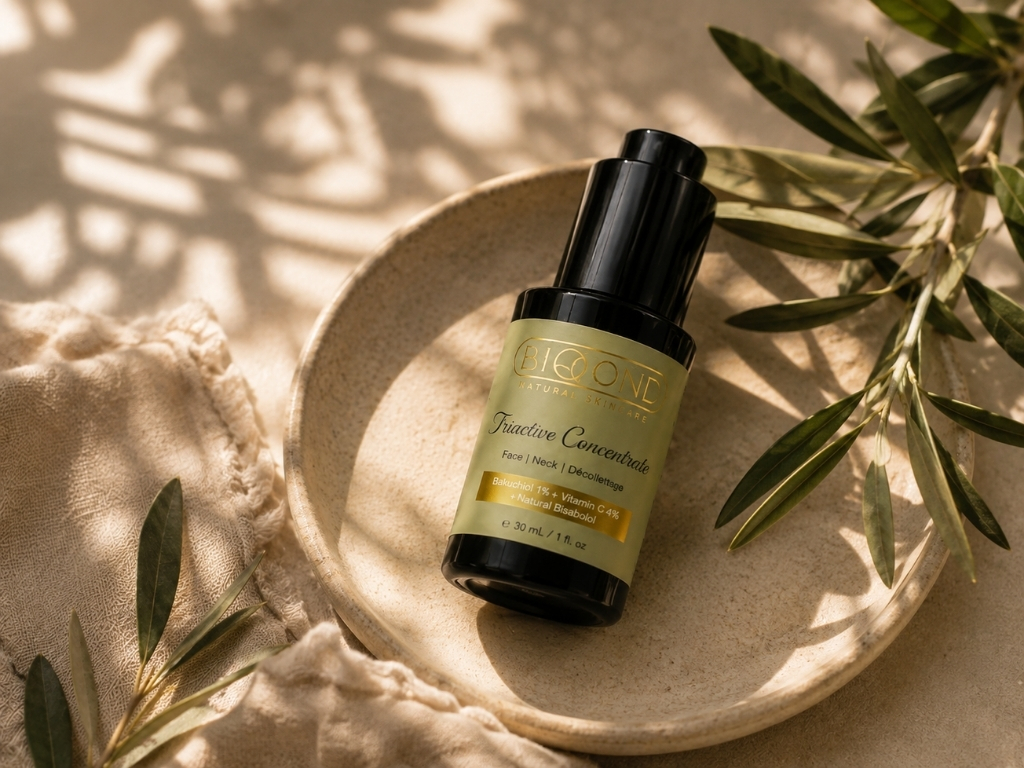
This is where a well-chosen treatment can address more specific mature-skin needs. TriActive Concentrate combines 4% oil-soluble THD Ascorbate, 1% bakuchiol and natural bisabolol in a lipid-based serum with squalane and botanical oils.
THD Ascorbate provides stable, lipid-soluble vitamin C antioxidant support, while bakuchiol is used to support smoother, more even-looking skin. The formula illustrates an important principle: a targeted treatment does not need a long list of actives when the ingredients have clearly defined roles.
4. Moisturize according to your skin
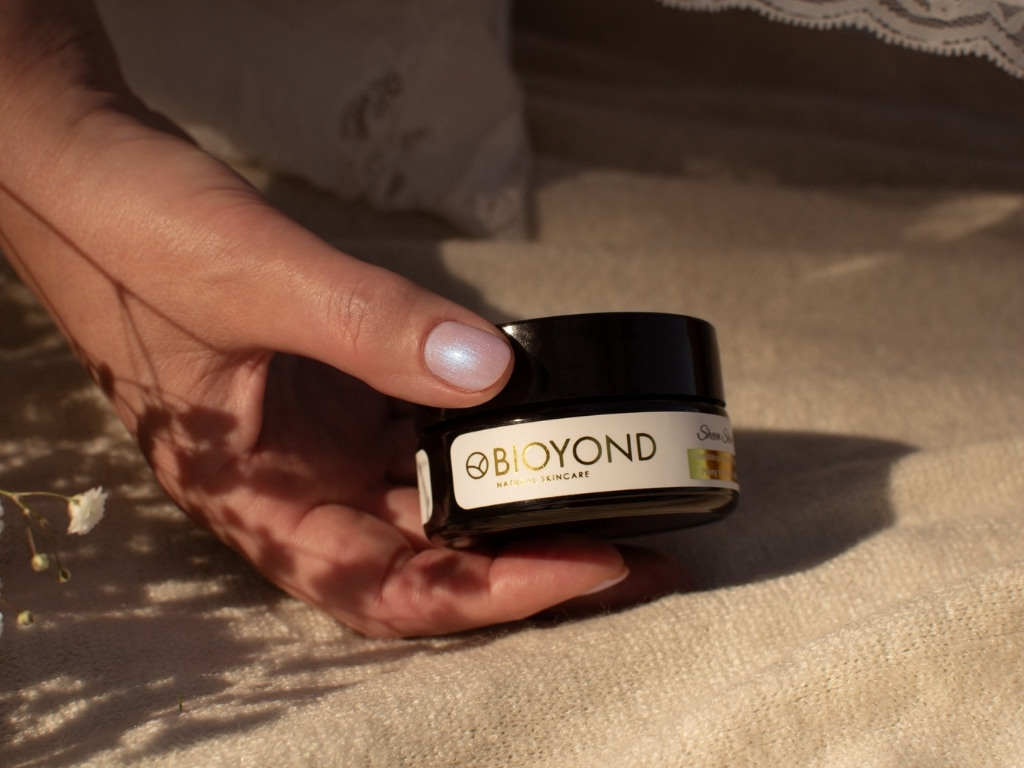
Follow with an appropriate moisturizer when needed. Sheen Skin Cream provides daily moisture support in a lighter cream format. Skin that needs greater lipid nourishment may benefit from a richer product, particularly during colder weather or when dryness increases.
5. Protect
Finish every morning with broad-spectrum sunscreen on exposed skin. Extend it beyond the face to the neck, décolletage and hands.
Evening Routine
1. Cleanse thoroughly but gently
Remove makeup, sunscreen and accumulated impurities. If you wear heavier makeup or water-resistant sunscreen, an oil-based first cleanse followed by a gentle cleanser can be useful.
2. Restore hydration
Apply your hydrating serum or toner-serum after cleansing to replenish water before moving to richer products.
3. Use targeted treatments thoughtfully
Evening is an appropriate time for many targeted actives, but mature skin does not need every active every night. Retinoids, exfoliating acids and other intensive treatments should be introduced according to tolerance rather than layered indiscriminately.
On evenings when a stronger treatment is not being used, a targeted serum can form part of a simpler routine. Depending on your skin’s needs, this could include TriActive Concentrate for antioxidant and lipid-based care, or Bio Lift Serum as a lightweight serum-emulsion.
4. Support moisture and comfort
Finish with a moisturizer appropriate for how your skin feels. Some mature skin does well with a light cream year-round, while other skin benefits from additional lipid support at night or seasonally.
Adjust the Routine — Don’t Automatically Add More Steps
Skin changes with season, environment, stress and age. A routine should therefore be flexible.
If skin feels dehydrated, increasing hydration may make more sense than adding another active. If it feels dry or tight, barrier and lipid support may deserve more attention. If irritation develops, reducing the number or frequency of intensive treatments can be more useful than trying to correct the irritation with yet another product.
Skincare for mature skin should evolve with the skin rather than become permanently more complicated.
What Can Be Too Much for Mature Skin?
Advanced ingredients can be extremely useful, but more activity does not automatically produce better skin. Mature skin may become less tolerant of aggressive routines, particularly when several exfoliating or renewal-focused products are used together.
Be Careful With Over-Exfoliation
Exfoliating acids and other resurfacing ingredients can improve the appearance of texture and dullness, but excessive exfoliation may leave skin feeling tight, dry or uncomfortable.
Rather than exfoliating simply because a schedule says to do so, pay attention to how the skin responds. Frequency can be adjusted according to the product, season and individual tolerance.
Introduce Retinoids Gradually
Retinoids can be valuable in a mature-skin routine, but beginning with frequent application or combining them immediately with multiple strong actives can increase irritation.
A gradual introduction allows the skin time to adapt. On other evenings, the routine can return to hydration, antioxidants and barrier-supportive care.
Don’t Confuse Tingling With Effectiveness
A product does not need to sting, peel or leave the skin feeling tight to be effective.
In skincare for mature skin long-term consistency often matters more than short periods of aggressive treatment. An advanced formula should deliver purposeful ingredients in a form that can realistically become part of a sustainable routine.
The BIOYOND Approach to Mature Skin
At BIOYOND, we do not view mature skin as something that needs to be “fixed.” Skin changes throughout life, and good formulation should respond intelligently to those changes.
Our approach combines thoughtfully selected botanical ingredients with modern cosmetic actives and formulation science. Depending on the product, that may mean sophisticated humectants, stable antioxidant systems, skin-compatible lipids or targeted actives — always with a clear reason for including them.
As BIOYOND continues to develop, this philosophy also guides our exploration of more advanced ingredients for mature skin, including peptides, ceramide systems and next-generation approaches to skin renewal and barrier support.
The objective is not to create increasingly complicated routines. It is to create better formulations that allow each product to earn its place in the routine.
Final Thoughts
The needs of mature skin are more nuanced than simply choosing the richest cream or the strongest anti-aging active.
A well-designed routine brings together gentle cleansing, effective hydration, barrier support, targeted actives, antioxidants and consistent sun protection. Some skin may benefit from sophisticated ingredients such as peptides or retinoids; other times, the most useful change may simply be restoring hydration or reducing irritation.
The best skincare for mature skin is therefore not necessarily the routine with the most products. It is one that respects the skin’s changing biology, uses effective ingredients with purpose and can be followed consistently over time.