Zinc Oxide for Skin: More Than Just a Sunscreen Ingredient
Zinc oxide is best known for its use in mineral sunscreens, but its role in skincare extends beyond sun-care formulations. This naturally occurring mineral has long been used in topical products designed to create a physical layer on the skin, making it particularly interesting for protective balms and products formulated for skin exposed to drying environmental conditions.
But there is an important distinction: zinc oxide as a skincare ingredient is not the same thing as an SPF claim. A product containing zinc oxide does not automatically become a tested or authorized sunscreen, and the percentage of zinc oxide alone cannot tell us its SPF.
So what can zinc oxide do for the skin outside of sunscreen and why combine it with ingredients such as beeswax and botanical lipids in a waterless balm?
In this article, we’ll look at the science behind zinc oxide for skin, its role in protective skincare formulations, and how thoughtful formulation can help support skin comfort when facing wind, dry air and other everyday environmental stressors.
What Is Zinc Oxide and Why Is It Used in Skincare?
Zinc oxide for skin is commonly used in topical formulations where this inorganic mineral can contribute to a physical layer at the skin’s surface. Zinc oxide primarily remains at the skin’s surface, where it can contribute to a physical, protective layer.
This surface activity is one reason zinc oxide has traditionally been used in barrier creams and other products intended for skin that needs protection from external irritants and excessive moisture loss. Its usefulness, however, depends greatly on the complete formulation surrounding it, including the concentration, particle characteristics, oils, waxes and other ingredients that determine how the finished product spreads and feels on the skin.
In waterless skincare, zinc oxide can be dispersed within botanical oils and waxes to create a mineral-rich balm. This type of formulation combines the physical presence of the mineral with emollient lipids that soften the skin and ingredients that help reduce moisture loss.
Is Zinc Oxide the Same as Sunscreen?
No. Zinc oxide is an ingredient used as a mineral UV filter in authorized sunscreen formulations, but simply adding zinc oxide to a skincare product does not establish an SPF.
SPF is a property of the finished formulation, not of zinc oxide in isolation. The concentration of the mineral, its dispersion, particle characteristics, the other ingredients in the formula and the way the finished product forms a film on the skin can all influence its performance. This is why an SPF value cannot reliably be calculated from the percentage of zinc oxide alone.
In Canada, products marketed with sunscreen or SPF claims are regulated and must meet specific requirements before those claims can be made.
For everyday skincare, zinc oxide can also be incorporated into products such as mineral balms for its physical presence on the skin and its role within a protective, barrier-style formulation without making an SPF claim.
Why Pair Zinc Oxide with Oils and Waxes?
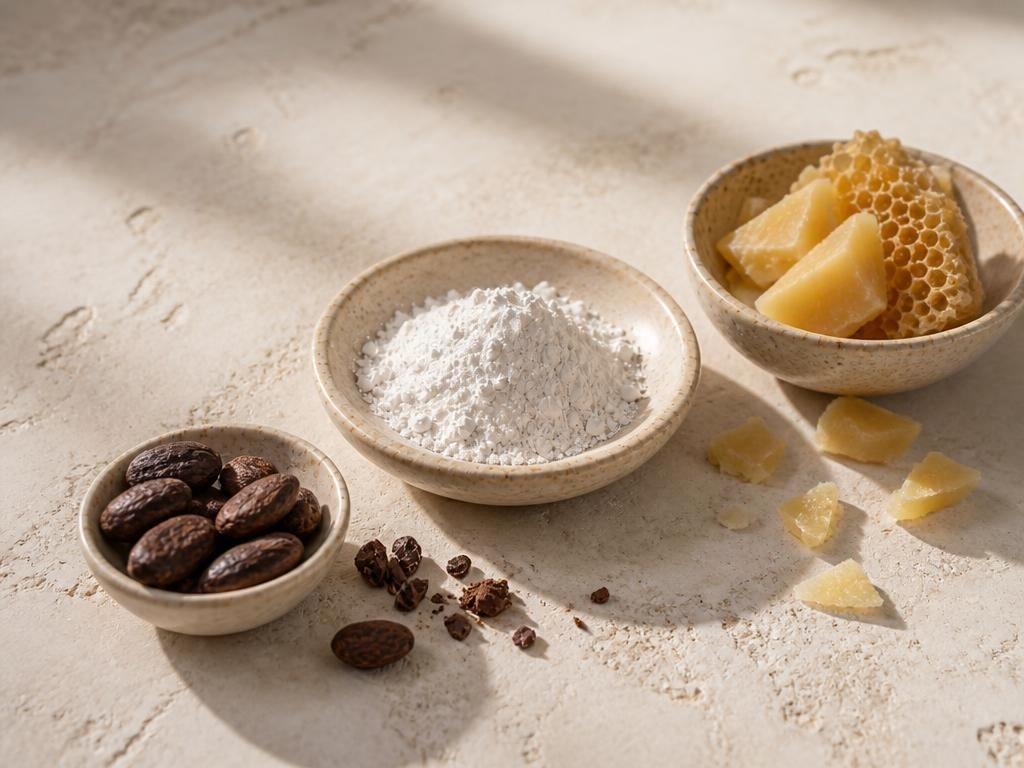
When formulating with zinc oxide for skin, the mineral does not work alone. The ingredients surrounding it influence how evenly it disperses, how the product spreads across the skin and, importantly, how the finished formula feels during wear.
In a waterless balm, botanical oils provide emollient lipids that help soften and condition the skin. Waxes add structure while forming a light occlusive layer that can help slow the evaporation of water already present in the skin. This is different from adding hydration: because a waterless balm contains no water, its role is primarily to condition the skin and help reduce moisture loss.
The balance matters. Too much wax can make a mineral balm stiff or draggy, while an unsuitable oil system can leave it excessively greasy. Zinc oxide itself also changes the texture significantly as its concentration increases.
A thoughtfully balanced mineral balm therefore depends not simply on having “natural ingredients,” but on how the mineral, oils and waxes work together as a complete formulation.
The Role of Botanical Lipids in a Mineral Balm
When working with zinc oxide for skin, the choice of botanical oils matters because each lipid contributes a different fatty-acid or wax-ester profile, influencing conditioning, spreadability and the overall skin feel.
Jojoba oil is technically a liquid wax rather than a conventional triglyceride oil. Its wax esters have similarities to lipids naturally present on the skin’s surface, making it particularly useful for softening and conditioning without an excessively heavy feel.
Red raspberry seed oil supplies essential fatty acids, including linoleic and alpha-linolenic acids, together with naturally occurring tocopherols and other antioxidant compounds. These components make it a valuable conditioning oil for skin exposed to environmental stress.
Tamanu oil has a distinctive composition of fatty acids and naturally occurring bioactive compounds. It has a long history of topical use and is particularly interesting in formulations designed for dry or environmentally stressed skin.
Rather than expecting one botanical oil to transform the skin, a well-designed formula uses these lipids as part of a balanced system—supporting softness, flexibility and a comfortable skin surface while complementing the protective character of zinc oxide and waxes.
Why Beeswax Matters in Protective Skincare
Beeswax is often described simply as a thickener, but in an anhydrous balm it has a more meaningful role. Its naturally occurring waxes and lipids form an emollient film over the skin that helps slow moisture loss while leaving the surface feeling softer and more supple.
This makes beeswax particularly useful in formulas intended for skin exposed to dry air, wind and changing environmental conditions. Combined with botanical oils, it helps create a protective lipid layer without introducing water into the formulation.
Beeswax also contributes to the way a mineral balm performs physically. It gives structure to the oil phase, helps suspend and distribute mineral particles, and allows a concentrated balm to soften gradually with the warmth of the fingertips and skin.
In this type of formulation, beeswax therefore serves both a functional formulation purpose and a skin-conditioning purpose—one reason replacing it with another wax would not necessarily produce the same product.
Why Add Cocoa to a Zinc Oxide Balm?
One of the practical challenges of formulating with zinc oxide is its naturally white appearance. At meaningful concentrations, it can leave a visible pale cast on the skin, particularly when incorporated into a rich balm.
Cocoa powder gives the mineral base a naturally warm tint, helping to counter some of that visible whiteness without turning the product into conventional makeup. The result is a balm that blends more naturally into the skin than an untinted zinc-rich base.
Cocoa also contains naturally occurring polyphenols and other antioxidant compounds, although in this formula its primary purpose is to improve the appearance and wearability of the mineral base.
This illustrates an important formulation principle: an ingredient does not need to be included simply because it sounds impressive on a label. The best ingredients have a clear reason for being there.
How BIOYOND Mineral Sun Balm Applies This Formulation Approach
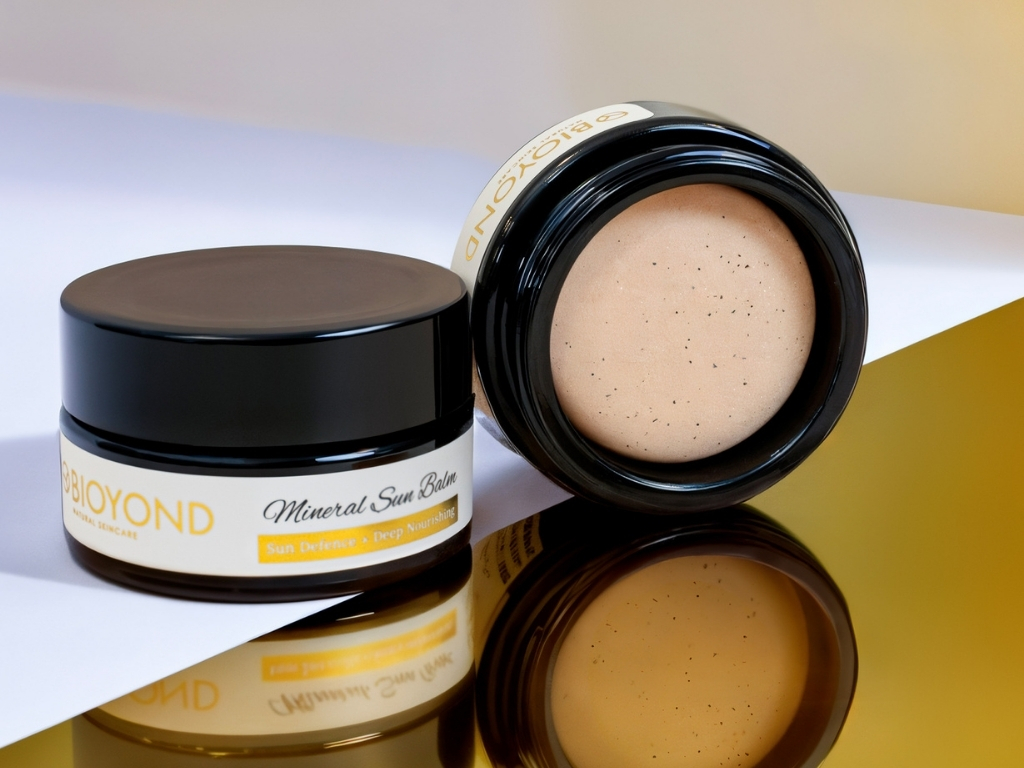
BIOYOND Mineral Sun Balm was developed as a concentrated, waterless mineral face balm built around 17% non-nano zinc oxide and a carefully selected botanical lipid system.
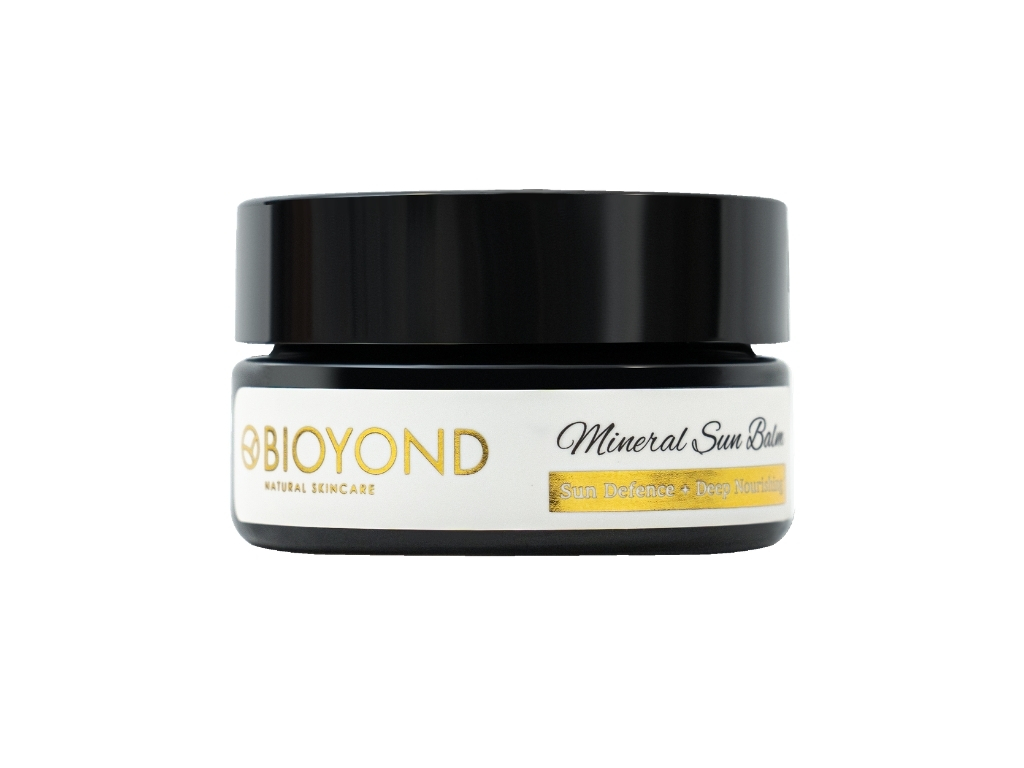
Rather than treating zinc oxide as a stand-alone hero ingredient, the formula combines it with jojoba, red raspberry seed and tamanu oils, beeswax, cocoa powder and a concentrated Sea Buckthorn CO₂ extract. Together, these ingredients create a rich paste-balm that softens with the warmth of the skin and leaves a comfortable, conditioning layer.
The cocoa gives the naturally white mineral base a warmer tint to help minimize the typical white cast associated with zinc oxide, while beeswax and botanical lipids help soften the skin and reduce moisture loss.
The result is not intended to replace an authorized SPF product. Instead, Mineral Sun Balm is designed as protective mineral skincare for skin exposed to dry air, wind and everyday environmental stressors.
How to Use a Mineral Face Balm?
A balm formulated with zinc oxide for skin works best as the final step of a skincare routine, after water-based products and moisturizer have been applied.
Because waterless balms are concentrated, start with a small amount. Warm it between your fingertips to soften the texture, then press and gently blend it over the skin. More can be added where needed, but applying too much at once can make a mineral-rich formula feel unnecessarily heavy.
A protective balm can be particularly useful when skin is exposed to conditions that encourage moisture loss, such as cold weather, wind, dry indoor heating or air conditioning.
And remember: if you will be exposed to UV radiation, a mineral skincare balm without an assigned SPF should not replace an authorized broad-spectrum sunscreen with an appropriate SPF.
Is Zinc Oxide Suitable for Everyday Skincare?
Zinc oxide for skin can be incorporated into everyday skincare, but whether a product feels suitable for regular use depends on the entire formulation, not simply on the presence or percentage of the mineral.
Because zinc oxide is a powder, higher concentrations can make a formula feel thicker, drier or more visibly white. Oils, waxes and other emollients can help balance these characteristics by improving spreadability and leaving the skin feeling more comfortable.
Skin type matters as well. A rich mineral balm may be especially appealing when skin feels dry or exposed to harsh environmental conditions, while someone who prefers very lightweight textures may choose to use it only on specific areas or when extra protection from moisture loss is desired.
As with any skincare product, individual skin responses vary. Introduce a new formula gradually if your skin is particularly sensitive.
Frequently Asked Questions About Zinc Oxide for Skin
Does zinc oxide moisturize the skin?
When considering zinc oxide for skin, it is important to remember that zinc oxide itself is not a moisturizer or hydrating ingredient. In a balm, the moisturizing feel comes largely from the surrounding oils, waxes and emollients. These ingredients can soften the skin and help reduce moisture loss.
Does a higher percentage of zinc oxide mean a higher SPF?
Not necessarily. You cannot determine the SPF of a finished product simply from its zinc oxide percentage. SPF depends on the complete formulation and must be established through appropriate testing.
What does non-nano zinc oxide mean?
Non-nano generally refers to zinc oxide supplied with particle characteristics outside the nanoscale specification used for nano materials. Particle size and distribution can affect properties such as appearance, dispersion and performance, so formulators should rely on the technical documentation supplied for the specific zinc oxide they use.
Can zinc oxide leave a white cast?
Yes. Zinc oxide is naturally white and can remain visible on the skin, particularly at higher concentrations. Formula design, dispersion and tinting ingredients can influence how noticeable that cast appears.
Can a zinc oxide balm replace sunscreen?
Not unless the finished product is an authorized sunscreen with appropriate UV-protection claims. A skincare balm containing zinc oxide but without an assigned SPF should not be relied upon as a substitute for an authorized broad-spectrum sunscreen when UV protection is needed.
Zinc Oxide for Skin: It’s the Complete Formula That Matters
Zinc oxide can play an interesting role in skincare beyond its familiar association with sunscreen. In a well-designed mineral balm, it becomes part of a broader formulation in which botanical lipids, waxes and other ingredients influence how the product spreads, feels and supports the skin.
That is also why evaluating zinc oxide for skin requires looking beyond a single ingredient or percentage. A thoughtfully formulated product with zinc oxide for skin should balance mineral content with emollients and protective lipids to create a formula that is comfortable and practical to use.
BIOYOND Mineral Sun Balm follows this approach by combining 17% non-nano zinc oxide with beeswax, jojoba, red raspberry seed and tamanu oils, cocoa and Sea Buckthorn CO₂ in a concentrated waterless formula designed to help condition skin and reduce moisture loss.
For UV protection, always use an authorized broad-spectrum sunscreen with an appropriate SPF.